Trying to find the best sample of the Dodge Durango is like trying to get a Tinder date in your 30s – everyone seems to have baggage, and you really have to know the nitty-gritty before committing.
Some model years have dashboards that light up like a Christmas tree, while others drink oil like a college student on vacation.
But as somebody who’s deeply into research, I learned how to dodge mechanical heartbreaks like my life depended on it, and I can say with confidence that some years are worth looking into.
Whether it’s the sound of that roaring HEMI V8 or the comfort of having three rows of adult legroom, there’s a Durango out there for everyone, and I’m going to teach you which ones to swipe left or right.
What are the best and worst Dodge Durango Years?
The best Dodge Durango years are 2008, 2009, 2016, 2019, 2020, and 2021, while the worst years are 1999, 2004, 2005, and 2011.
The best and worst Dodge Durango years are based on their consumer and expert ratings, reliability reviews, notable features, and number of complaints.
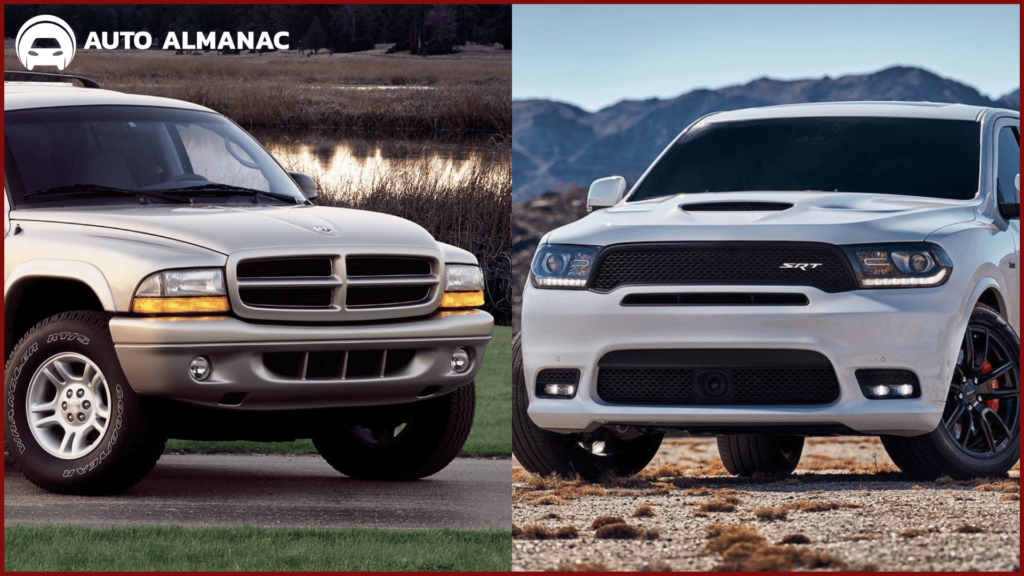
With powerful V8 motors and a face that mimics its Ram truck cousin, the Dodge Durango has proven to be a popular SUV platform ever since its debut in 1998.
Spanning three generations and over two million units sold, there’s no shortage of the model in the secondhand market. However, not every single model year is made the same.
Unless you’re dead set on experiencing a more classic ride, we’ve found that it’s better to skip the entire 1st generation in search of the best Durango years.
2nd-generation models from 2008 and 2009 are where things start to get really good reliability-wise, while 2016, 2019, 2020, and 2021 are among the most solid years for the 3rd-generation model.
As for the worst years, the 1st-gen 1999 model is notorious for being unreliable, and so are the 2nd-gen’s 2004 and 2005 models.
Early years of the 3rd-gen Durango, such as the 2011 model, are also known for being quite unpolished and should be skipped.
Now, let’s dive deeper into why these years are either a safe buy or a ticking time bomb below!
What are the best Dodge Durango years?
The best Dodge Durango years include 2008, 2009, 2016, 2019, 2020, and 2021, thanks to a mix of good features, high ratings, and fewer reported complaints.
2008/2009 Dodge Durango
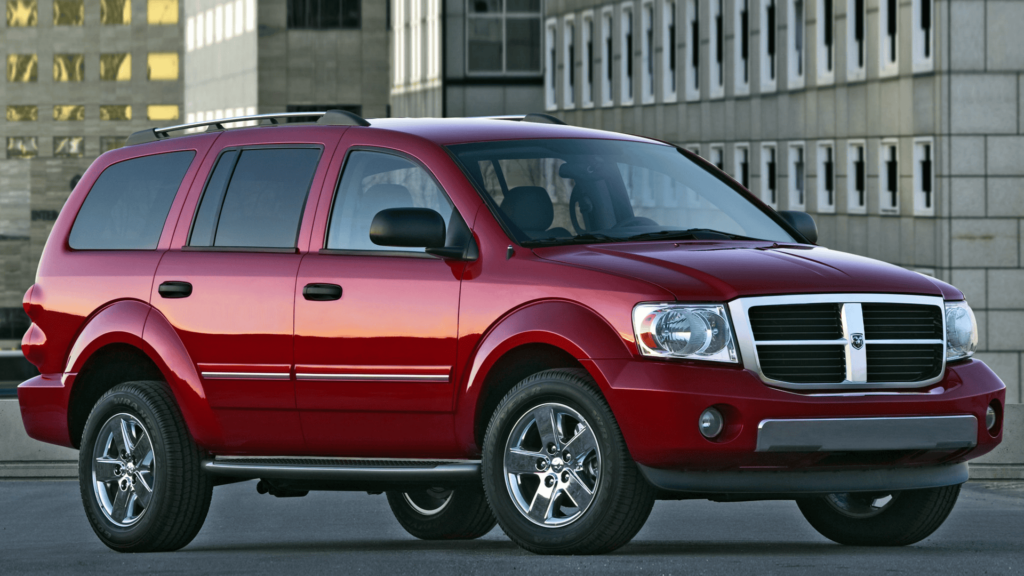
If you’re in the market for a 2nd-gen Dodge Durango, then either the 2008 or 2009 model year is your best bet.
These two model years are known for having the fewest reported problems for the generation, giving them an edge above earlier years in reliability.
Edmunds consumers rate the 2008 and 2009 models a 4.3/5 and 4.4/5, respectively. Similarly, KBB consumers give both a 4.4/5 rating.
They’re part of the facelift model released in 2007, featuring sharper headlights, a new grill, updated fenders, and redesigned wheels.
The 2008 model year introduced the 303-hp 4.7-liter Corsair V8 option, which is more powerful and fuel-efficient than the Magnum V8 that it replaced.
A hybrid 5.7-liter Hemi V8 option was added for the 2009 model year, making a combined power output of 400 hp. It’s also the most fuel-efficient variant of the 2nd-gen model.
Whichever one you pick, you’ll be getting a reliable SUV with great cargo capacity, a roomy interior, and respectable towing capability.
2016 Dodge Durango
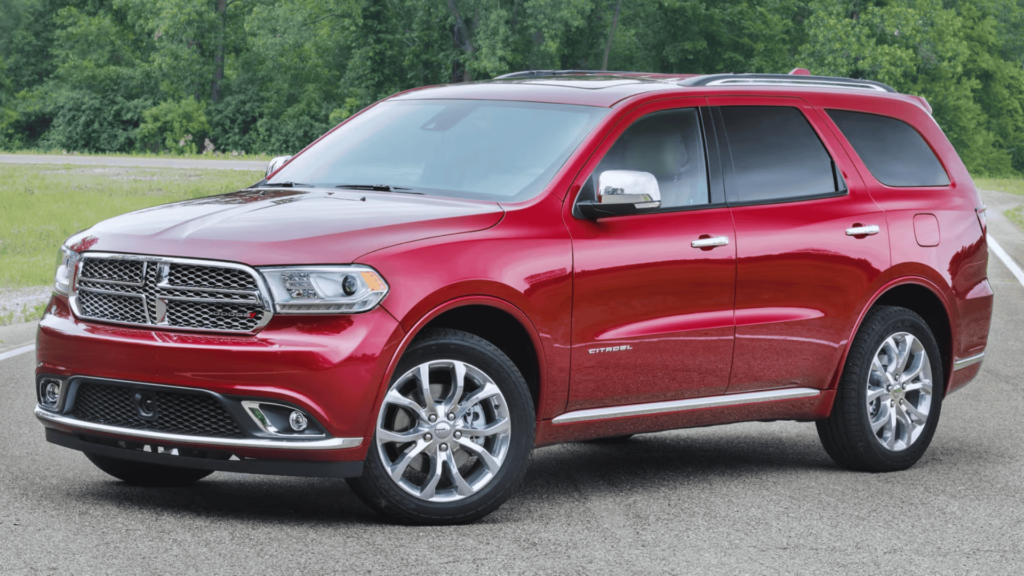
The 2016 Dodge Durango is a great place to start if you prefer the more modern 3rd generation. This year has significantly fewer problems reported compared to earlier models.
Paired with its knack for reliability are its unanimously high ratings. It received a 4.5/5 from Edmunds, a 4.7/5 from KBB, and an 82/100 from JD Power.
You get a base 3.6-liter Pentastar V6 for most of the trim levels offered from 2016, which makes 290 hp at 6400 rpm. This year also introduced a stop-start system for the V6 to improve gas mileage.
If you don’t mind the dip in fuel economy, then the R/T trim is the way to go. It has a 5.7-liter V8 that’s good for 360 hp, which does a better job of offsetting the SUV’s weight.
The 2016 model has a generous offering of standard features, such as traction and stability control, antilock brakes (ABS), a Uconnect 8.4 system, trailer sway control, a Sport mode, and more for upper trims.
The only thing you should look out for is that the rear track lighting is known to malfunction due to water leaking into the housing.
2019 Dodge Durango
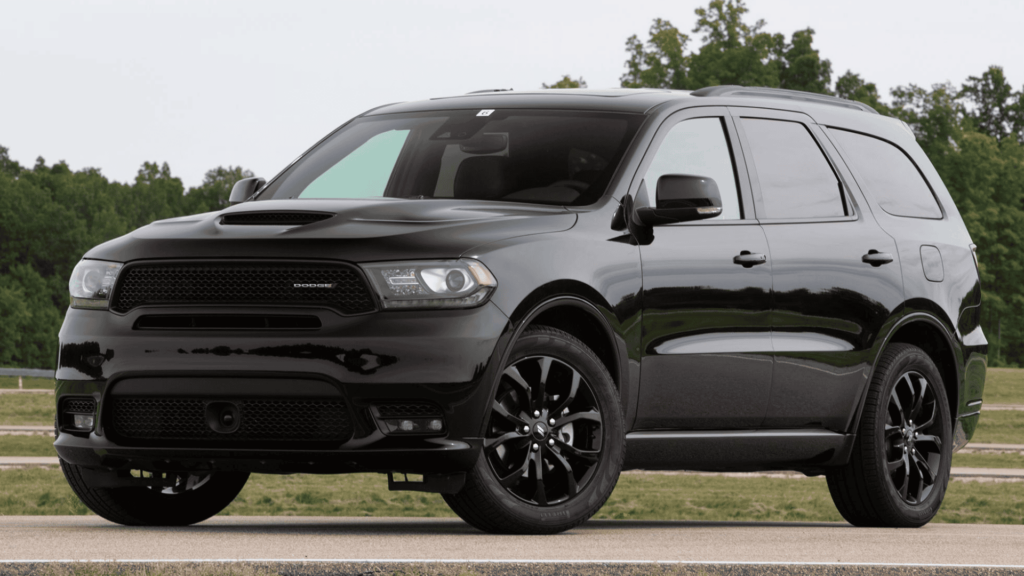
2019 was another solid year for the Dodge Durango thanks to a low number of reported issues, high consumer ratings, and many updates throughout the years.
Edmunds gives the midsize SUV a 4.4/5, whereas KBB rates it slightly higher at 4.7/5. JD Power consumers also seem to follow suit with an overall rating of 80/100.
Like the 2016 model, the 2019 Durango starts off with a base 3.6-liter V6 for the majority of its trims, with the 5.7-liter V8 standard in the R/T and optional in the Citadel.
This model year carries over the Anodized Platinum package for the Citadel trim introduced in 2017, which gives platinum accents on different interior and exterior pieces.
However, the highlight of the 2019 model is the SRT 392 trim added the year before, which boasts a 6.4-liter HEMI V8 that makes 475 hp. This engine makes it possible to tow up to a max capacity of 8,600 lbs.
All trims from this model year also come standard with Apple CarPlay and Android Auto for their Uconnect 8.4 system.
2020/2021 Dodge Durango
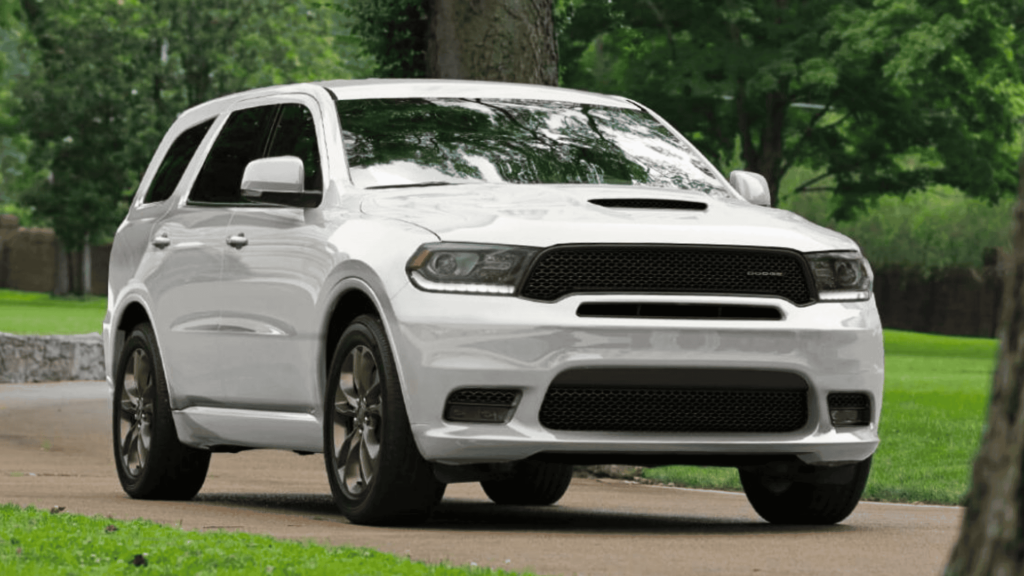
Both the 2020 and 2021 Dodge Durango are among the best years of the SUV owing to superb reliability, an abundance of tech features, and exceptional V8 performance.
The 2020 model has one of the fewest reported complaints out of any Durango year on CarProblemZoo. In comparison, the 2021 model has slightly more reports of minor electrical issues.
They’re both rated 4.7/5 by KBB consumers. However, it’s a completely different story at Edmunds, with the 2020 model being rated at 4.5/5 versus the 2021 model’s comparatively low 3.6/5.
While the 2020 model is slightly more reliable when going by the stats, the 2021 Durango is still an appealing choice because of the new exterior and interior updates.
Apart from the addition of a Uconnect 5 touchscreen, new wheels, and revamped body panels, the 2021 model also introduced the neck-breaking SRT Hellcat trim. It’s powered by a 710-hp, supercharged 6.2-liter HEMI V8.
What are the worst Dodge Durango years?
The worst Dodge Durango years include 1999, 2004, 2005, and 2011 due to higher numbers of reported problems and numerous safety recalls.
1999 Dodge Durango
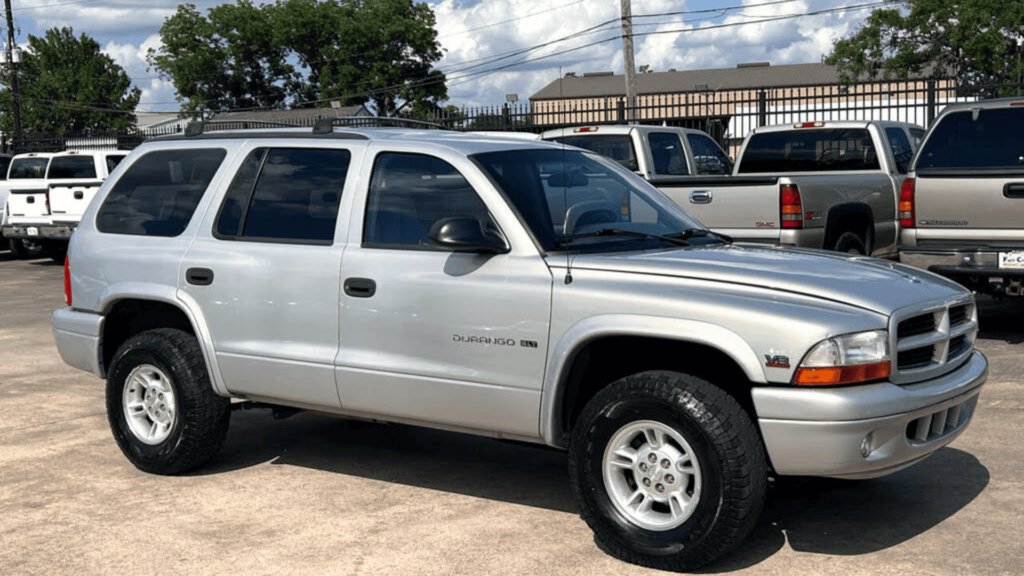
We’ve made it a personal rule to skip the 1st-gen Durango, since it’s generally unreliable compared to newer generations. But if you absolutely must buy one, avoid the 1999 model year at all costs.
1999 is often regarded as the worst year for the Dodge Durango due to numerous reliability issues, some of them involving major components.
It has accumulated the most reported complaints on CarProblemZoo, amounting to 2,038 as of this writing. The top 3 problem categories are suspension, engine and engine cooling, and electrical system.
Both the front upper and lower ball joints are a common weak point on the 1999 Dodge Durango, with many owners pointing out creaking and popping noises.
A recall (04V596000) was released specifically for the upper ball joints, stating that moisture leaking into the ball joints may cause them to excessively wear and potentially separate over time.
The 1999 model is also known for random stalling issues, repetitive oil pump problems, and sludge buildup in the engine.
2004 Dodge Durango
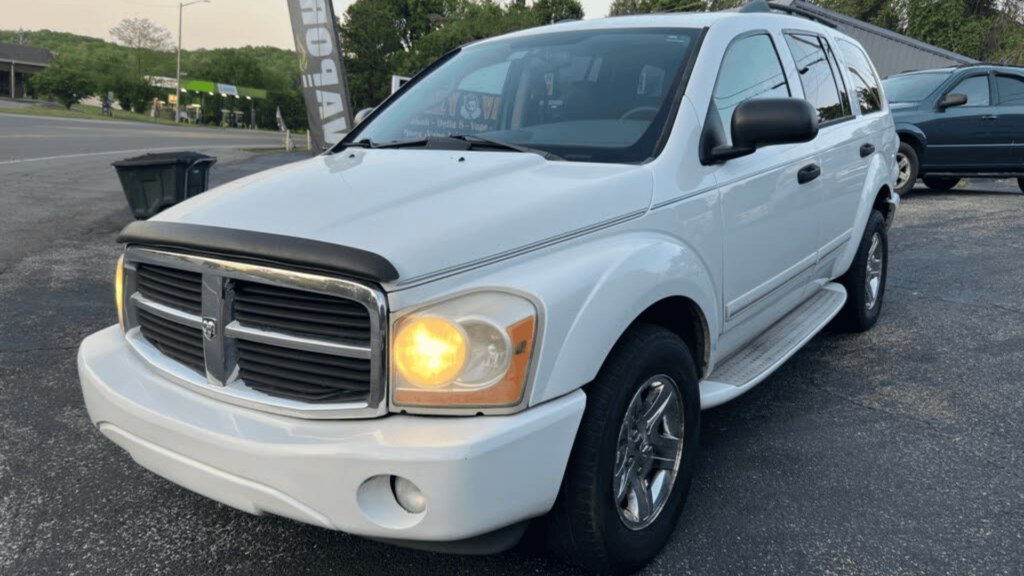
The 2004 Dodge Durango is right up there with the worst model years to buy, due to it being a very flawed example of the 2nd-gen model.
With almost 1,300 complaints on CarProblemZoo, it’s a bad and problematic start for this generation of the SUV. Most of the issues concern the engine and cooling system.
The 5.7-liter V8 for this model year frequently ran into issues with hydrolock and thrown rods as early as under 100,000 miles, leading to engine failure. In other reports, the engine also stalled without warning.
The 2004 model is also known to have many electrical malfunctions, such as the airbags not working, the electronics shutting off on their own, and the SUV automatically switching to 4WD mode.
2005 Dodge Durango
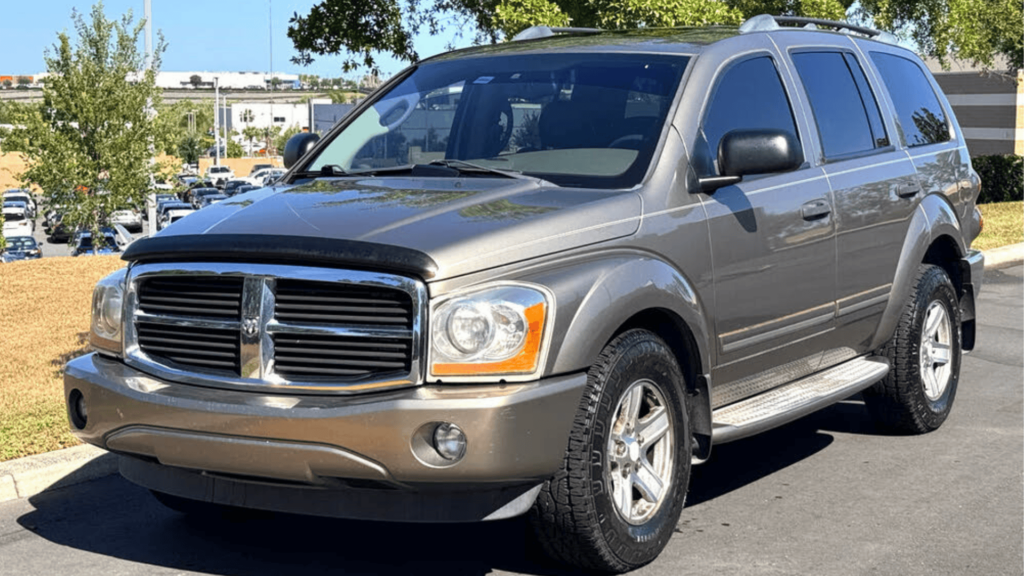
The 2005 Dodge Durango failed to improve on the 2004 model’s problematic nature. In fact, it was even worse in terms of reliability.
It received a whopping 1,853 complaints on CarProblemZoo, making it the most problem-prone year for the 2nd-generation Durango.
Just like the previous model year, the 2005 Durango has been plagued by engine stalling issues while driving. This time, however, both the 4.7-liter and 5.7-liter V8 options are affected.
With that said, the number one most common problem for this year is the leaking and spewing of fuel from the filler neck, which occurs when you attempt to refuel until the tank is full.
This has raised a lot of concern about being a potential fire hazard, and some recalls (05V034000 and 09V003000) have been issued to replace the faulty filler tube inlet check valve.
2011 Dodge Durango
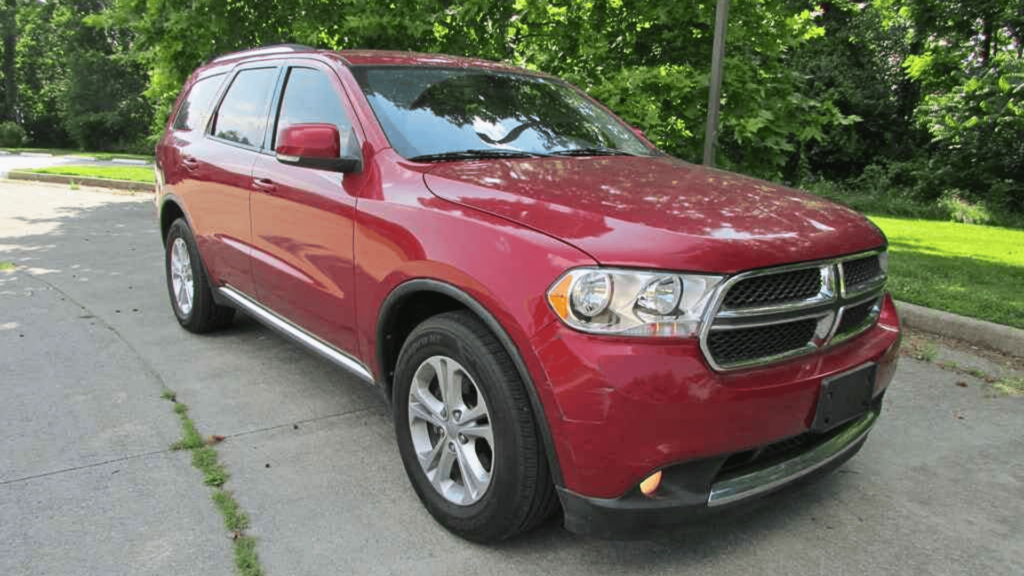
While early 3rd-gen model years were known to be quite unrefined, the 2011 model definitely takes the cake and should be avoided.
A total of 1,158 problems were reported for the 2011 Durango on CarProblemZoo, the most out of any 3rd-gen model year. Most of the issues relate to its electrical system, engine and cooling system, and fuel system.
Many owners complain about the SUV suddenly losing power, illuminating the battery light, and emitting a burning smell, which all turned out to be symptoms of a failed alternator.
In line with this, Chrysler issued a recall (17V435000) to replace the faulty alternators of affected Dodge Durango models.
Another recall (19V813000) involves the failure of the fuel pump relay within the TIPM (Totally Integrated Power Module), which can also cause the vehicle to stall.
Frequently Asked Questions (FAQs)