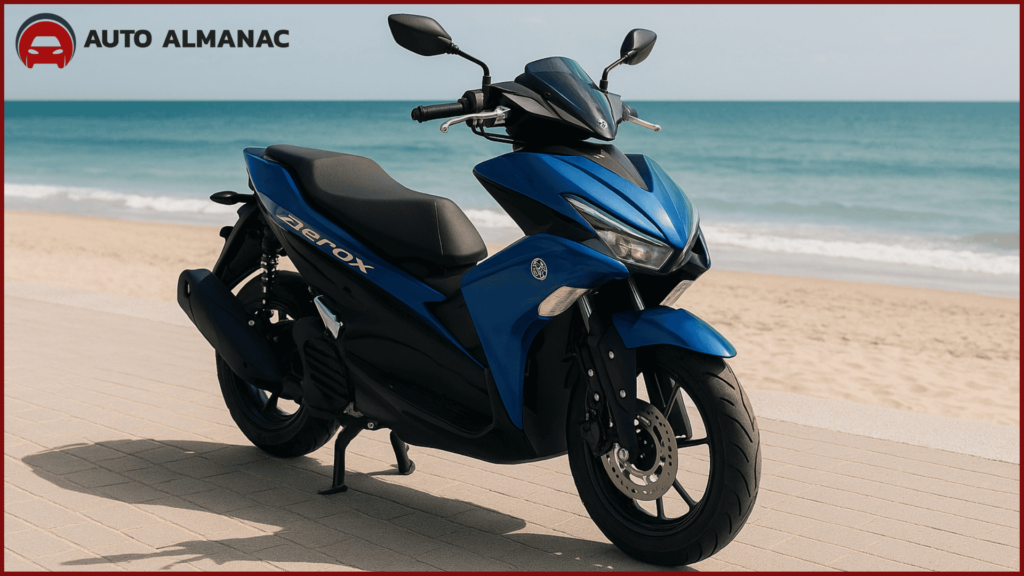
I used to be indifferent to scooters as a mode of transportation until I happened to try a zippy little pocket rocket called the Yamaha Aerox, which was owned by my friend in Indonesia.
It was light on its feet (or wheels), looked like it went fast while standing still, and gave me the most fun I’ve had on two wheels.
The only problem? Well, there were several problems, actually.
The bike died every 15 minutes, struggled to start afterward, and was quite unforgiving and stiff as a rock on every pothole I went over.
Based on my research, there are a couple of other issues that it’s known for, which I’ve conveniently laid out here before you decide to pull the trigger on one.
What are the common problems of a Yamaha Aerox?
Some common Yamaha Aerox problems include engine stalling, loss of power, starting difficulties, excessive vibrations, burning of the magneto coupler, electrical issues, and stiff ride quality.
The Yamaha Aerox can be a solid contender when you’re in the market for a sporty scooter. However, it’s still far from a perfect ride, judging by the numerous issues reported by owners.
For one, some people have struggled to get their scooters to run right. They either suddenly lose power, or the bike just shuts off completely mid-run.
In other cases, the Yamaha Aerox refuses to start via its electric start system, which can leave you stranded where you are.
Some electrical issues have also found their way into different Aerox model years, such as the starter turning over on its own in older models, and the infamous magneto coupler burning issue in the 2022 model.
Other problems are more noticeable as you’re on the move, like excessive vibrations from the handlebars or engine, and an overly stiff ride when going over bumps.
Whatever the case is, we’ll be breaking it down into more detail one by one below!
1. Engine Stalls
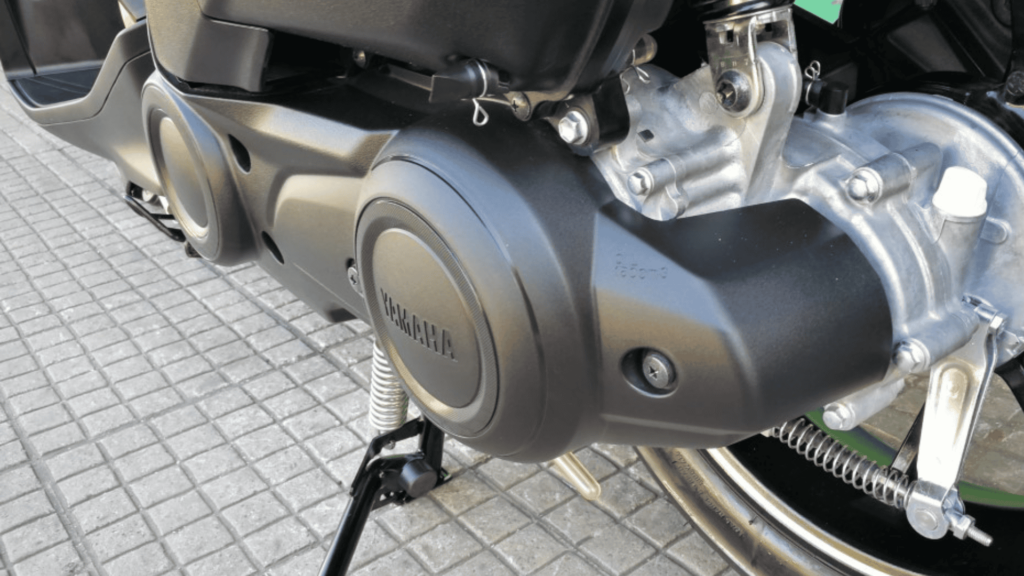
The Yamaha Aerox is known for being a powerful little scooter in its class because of its engine. However, this same major component can give a lot of headaches when it decides to fail on you.
Some owners experienced the engine suddenly losing power and eventually stalling while on the road, which is a dangerous situation to be in.
In some instances, the stalling can even happen while you’re just idling at a stoplight.
The common ground in either case is that the engine seems to have been warmed up for a few minutes, which led owners to believe that it occurs when the engine reaches a specific temperature reading.
However, the culprit can be as simple as having either a clogged air filter or fuel filter, which can affect the air-fuel ratio of the engine by causing it to run too rich or too lean.
You should also check for cracks on the manifold, as any extra air that leaks into the engine can also cause it to run lean, which can eventually lead to stalling.
2. Starting Difficulties
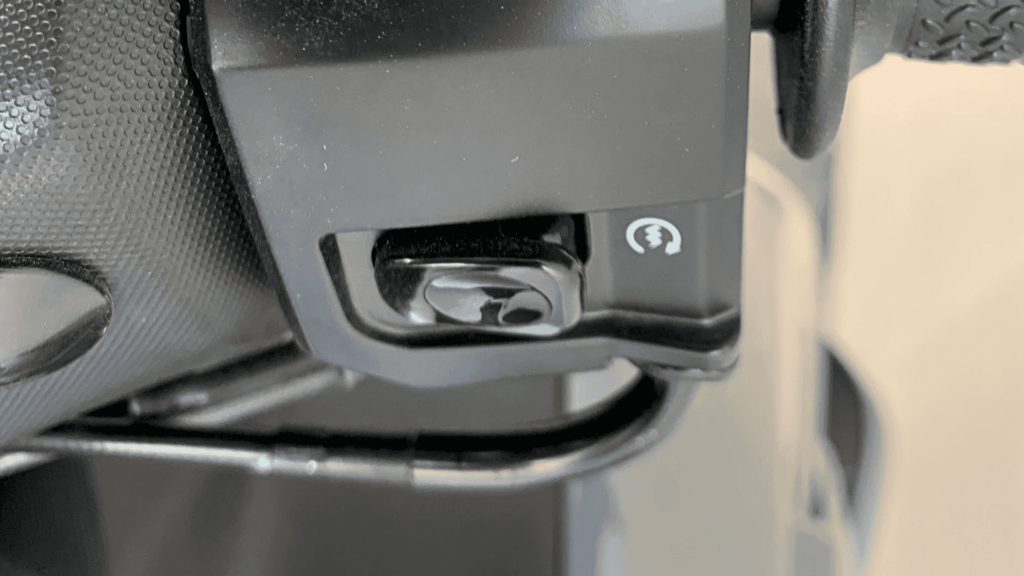
As if running problems weren’t already bad enough, you could also risk having the Yamaha Aerox not start on you at all.
While the scooter features an electric starter that’s commonly found on most modern motorcycles today, it’s sometimes known to become useless when trying to crank the engine up.
Even though owners audibly hear the starter itself turning over, the engine fails to make any sound at all, which can have several reasons.
If you haven’t started your bike in a while, then it might be a case of a bad battery. Prolonged disuse of vehicle batteries can cause them to drain or discharge.
For owners of older 50cc and 100cc Yamaha Aerox models who live in colder climates, the carburetor is known to take a while to start the engine when cold.
In this case, you can simply use the kick starter and choke to encourage a richer fuel mixture for the engine to start easier, then remove the choke once the engine warms up.
Another reason why your Yamaha Aerox is not starting is due to a dirty or bad spark plug. Inspect your spark plug if it needs a simple cleaning or a full replacement.
Finally, if you’re certain that your battery and spark plug aren’t the culprit, then you should check for an exposed starter wire, which is located behind the rear tire.
When exposed, the wire can corrode and get dirty over time, which can disrupt the flow of electrical current. Given this, we recommend getting it checked by a mechanic for soldering or replacement.
3. Excessive Vibrations
Single-cylinder engines, like the one on the Yamaha Aerox, are naturally prone to vibrating more compared to their multiple-cylinder counterparts.
However, since owners have started to notice excessive vibrations at different speeds, this goes beyond the characteristics of a normally functioning engine, and there may be an issue at hand.
Now, the underlying issue can depend on the speed at which the excessive vibrations occur.
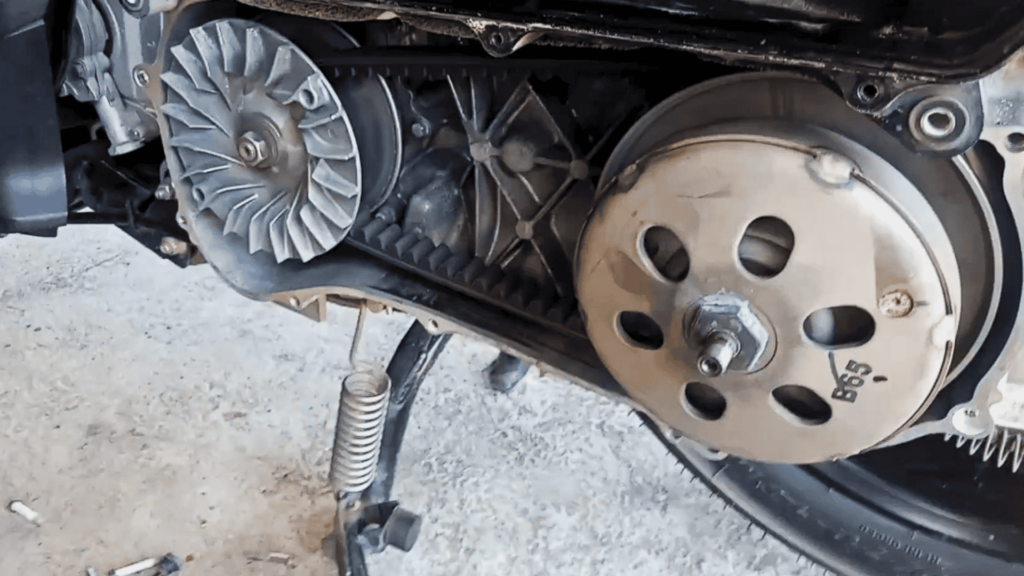
For instance, some people who have experienced such vibrations at low speeds have had an issue with the variator (CVT), which is in charge of changing the gear ratios based on the speed and load on the engine.
A faulty variator can cause the engine RPMs to drop low under high load, essentially lugging the engine and causing increased vibrations.
On the other hand, if the vibrations occur at higher RPMs, then it may be due to an imbalance in the crankshaft or that the bearings are worn out.
Sometimes, the cause may not even be engine-related at all. Other owners reported that they felt increased vibrations from the handlebars, which could potentially mean that a bad wheel bearing is to blame.
Test for a bad wheel bearing by lifting the front wheel, turning it, and checking for any noises or resistance. You can also do the same for the rear wheel.
4. Magneto Coupler Burns
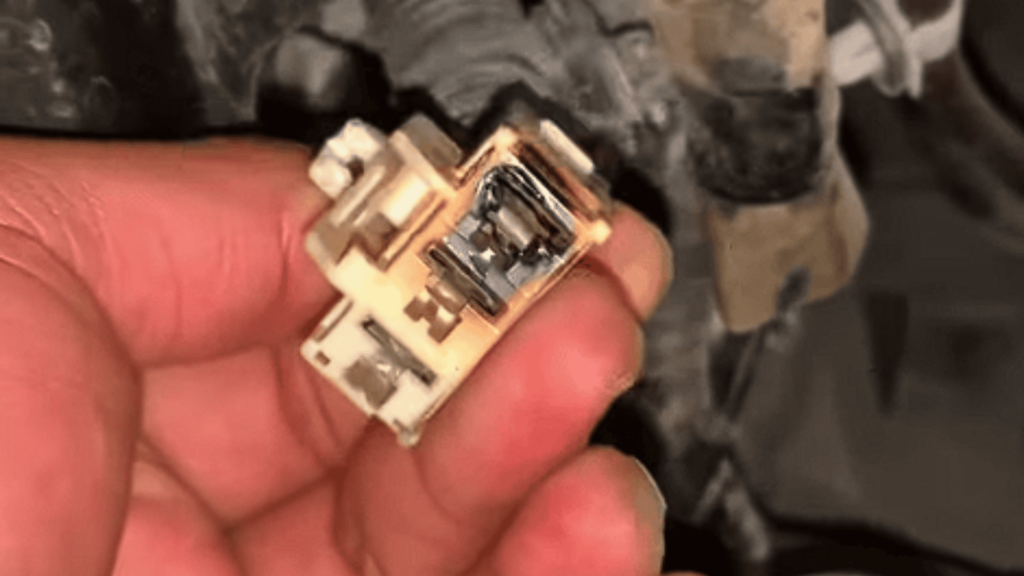
A specific problem that has affected many Yamaha Aerox 155 units is the burning or melting of the magneto coupler, which connects the important electrical component to the main wiring harness.
Reports share that this mostly occurs in Aerox models released for the 2022 model year. However, we cannot completely rule out other model years that are part of the same redesign since November 2020.
As for why the coupler gets burned in the first place, it’s been found to be inadequate for the intended electrical wattage, which overheats it in the process.
Apart from replacing the entire wiring harness, which can be expensive, there are two known remedies that are a lot cheaper in comparison.
One way would be to simply replace the coupler with a ceramic version that’s rated for the wattage, which can be bought from online shops such as this one.
Another creative way that some people have discovered is to use MC4 connectors from solar panels, which are of higher quality than the factory coupler. Just keep in mind that you need an MC4 crimping tool to crimp them in place.
5. Electrical Issues
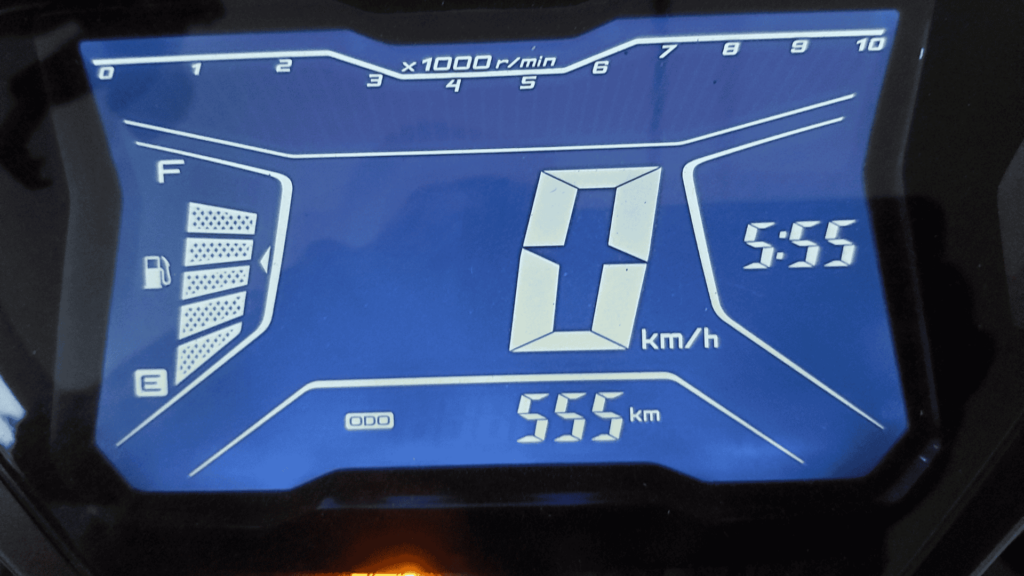
The Yamaha Aerox might be a trusty daily rider for a lot of people, but it’s not without its own fair share of electrical gremlins.
One such gremlin is a malfunctioning starter relay, which can cause the electric starter to repeatedly turn over without the rider even touching it.
The issue is commonly traced to a short in the starter relay, causing the electric starter switch to be stuck in the “ON” position.
Another known electrical problem is the premature draining of the battery, with the Aerox’s Y-Connect feature being the common culprit.
The Y-Connect system, which acts as Bluetooth connectivity, is known to draw power from the battery even with the engine turned off. This is more likely to happen if you haven’t used the bike for a week or more.
Some other electrical issues that you may encounter on the Yamaha Aerox are the gauge lights not working and the headlights dimming or flickering.
While this can be related to the battery drain issues, it’s also worth checking if there are any faulty connectors or loose terminals.
6. Ride Stiffness
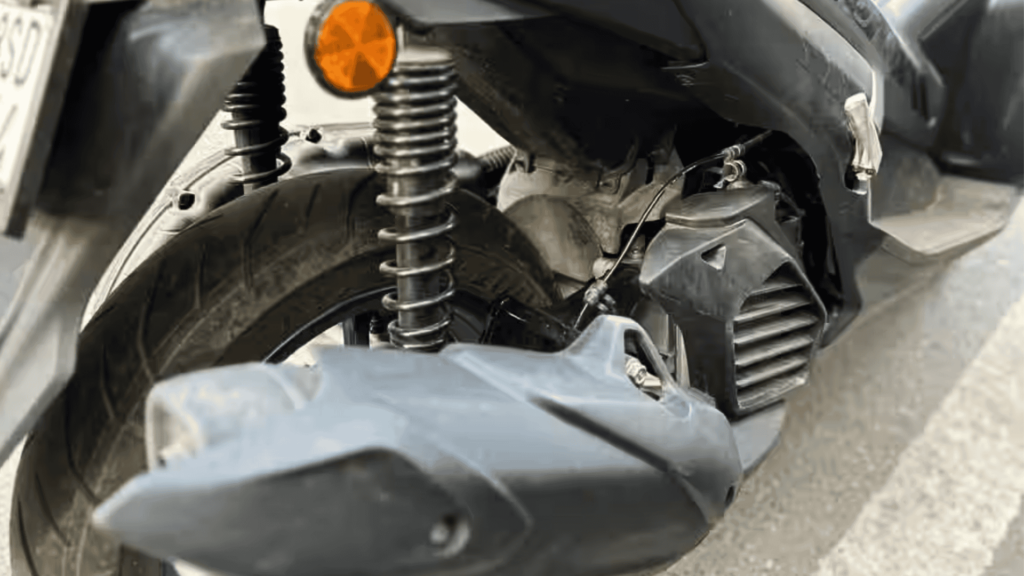
IMAGE IDEAS:
- A Yamaha Aerox’s rear suspension
Sporty and nimble in the corners is how most people would describe their ride with the Yamaha Aerox. However, this becomes a double-edged sword come longer rides and bumpier roads.
The Yamaha Aerox’s pursuit of performance comes at the expense of its rather stiff ride quality, which is very noticeable when going over bumps and potholes.
The rear suspension, in particular, is known to use stiff springs that don’t do a good job of absorbing sudden undulations on a rough road surface.
What’s more is that the factory shock absorber has no preload adjustment, meaning you’re basically stuck with whatever setting has been made by Yamaha.
A common remedy for this is to simply buy an aftermarket suspension set, which allows you to fully adjust the damping to a softer setting.
Pros and Cons of the Yamaha Aerox
Pros
Class-Leading Performance
The Yamaha Aerox, especially the 155 variant, has gained a reputation for being one of the best scooters in its class in terms of performance.
Powered by a peppy 155cc liquid-cooled single-cylinder engine, it makes 15 bhp at 8000rpm and 13.8 Nm of torque at 6500rpm.
This, paired with a kerb weight of only 126 kg, makes it fairly swift off the line for a scooter, up to an official top speed of 115 kmh, according to Yamaha.
Advanced Features
Opting for the Yamaha Aerox as your choice of motorcycle gives you a number of advanced features that make it well sought after among competitors.
The bike is fitted with a fully digital instrument display that includes a speedometer, fuel meter, trip distance, and Bluetooth Connectivity via the Y-Connect application.
Its 155cc engine is also equipped with Yamaha’s Variable Valve Actuation (VVA) technology, which allows it to adjust valve timing and lift depending on the speed and load for optimal performance and efficiency.
The S variant unlocks other notable features like single-channel ABS (Antilock Brake System) and a Smart Key system.
The smart key enables keyless ignition, an “answer-back” feature for locating the bike, and an immobilizer for when the key is out of range.
LED headlights and taillights also come standard, even in the base model Aerox, ensuring good visibility is achieved under all riding conditions.
Nimble Handling
The handling performance of the Yamaha Aerox is one of its main selling points as a sporty scooter.
Its light kerb weight, coupled with its firm suspension setup, gives the Aerox a more nimble and agile handling in the corners compared to conventional scooters.
It also comes with relatively wide tires from the factory, including 110/80-14 on the front and 140/70-14 on the rear. This gives it adequate grip and stable handling on most road surfaces.
Sporty Design
The Yamaha Aerox is one looker of a scooter thanks to its aggressive and sporty styling cues, which are reminiscent of the R-Series sport bikes from Yamaha.
The entire body is geared towards being aerodynamic with its sharp lines and pronounced angles. The front end, for instance, sports angular body panels and wing-like headlights.
The aesthetics continue down its rather sleek side profile, which flows into functional air vents that further add to its aerodynamic appeal.
Even the rear section features a tapered tail, compact grab rails, an angular heat shield, and a distinctive LED taillight that gives it race bike-like DNA.
Spacious Under-Seat Storage
Since the Yamaha Aerox is a scooter, after all, you can expect it to have ample storage at the back, even with its sporty nature.
The 24.5-liter under-seat storage is just about enough to fit any full-face motorcycle helmet. Even most medium-sized bags and other small items can be accommodated by the storage.
Cons
Lack of Floorboard Storage
While the Yamaha Aerox offers decent practicality with its under-seat storage, we cannot say the same about its floorboard storage.
Storage by the floorboard area is virtually non-existent for the scooter due to its elevated center spine or step-through tunnel design, which contains the fuel tank and other components.
Hence, there’s no space to put anything between the rider’s feet, contrary to traditional scooters that often have a flat space on the floorboard for carrying bags or other small cargo.
Stiff Rear Suspension
If you’re buying a scooter for a comfortable ride, then the Yamaha Aerox may not be the best choice for you.
The Aerox’s sporty and performance-oriented nature is matched by its stiff rear suspension setup, which is less than ideal if you’re going over rough roads.
The stock setup offers no adjustability either, so you’re stuck with a shock absorber and spring that doesn’t compress easily and has less vertical travel compared to those of comfort-oriented scooters.
Uncomfortable Pillion Seat
Even though it’s common to fit two people on a Yamaha Aerox, its minimalistic approach to its pillion seat can make for quite an uncomfortable ride, especially on longer distances.
The pillion seat is relatively small because of its focus on style rather than comfort. It’s also elevated higher than the main seat, which might make it difficult for people of shorter stature to get on.
There’s also no backrest from the factory for added support, and the seat’s padding is more on the firmer side rather than being as soft as a pillow.
Higher Price Tag
Given its superb performance figures and myriad of advanced features, it comes as no surprise that the Yamaha Aerox has a slightly higher price tag compared to other similar 150cc or lower scooters.
While it’s by no means a luxury scooter, you’re still paying a small premium to get a well-equipped bike that performs great in its class. This is assuming you don’t mind its average practicality and bumpy ride quality.
Frequently Asked Questions (FAQs)